Walking a dog should feel simple: leash, front door, fresh air, neighborhood. For many owners in Virginia Beach the reality is tugging, lunging, and the slow collapse of patience before the first block is out. Good leash manners change that. They make walks safe, they reduce stress for both dog and handler, and they open a world of new experiences—beach runs, patios, errands, and quiet evenings on the boardwalk without tension. Coastal K9 Academy and other local trainers work with these problems every week, and the patterns are consistent. This guide explains what works, what slows progress, and how to pick the right help nearby.
Why leash manners matter here Virginia Beach offers a mix of crowded sidewalks, parks with off-leash areas, and unpredictable wildlife. A 40-pound dog pulling toward gulls or a toddler can create dangerous situations fast. Beyond safety, a dog that walks politely gets more exercise, sees more of the world calmly, and bonds better with its person. For owners dealing with reactive behavior, leash pulling often masks fear or overstimulation. Addressing the pull without addressing the emotion is like fixing a squeaky hinge by tightening the screws instead of oiling it. You end up with the same problem in another form.
Common mistakes owners make One of the most persistent errors is inconsistent timing. Reinforcing good walking behavior needs immediate and consistent feedback. If the leash is tightened when the dog moves forward and rewarded only later, the dog learns conflicting lessons. Another mistake is relying solely on physical corrections or choke collars. Those tools can stop a dog from pulling temporarily, but they often increase anxiety and can escalate reactivity. Third, many owners skip the groundwork: loose-leash walking is easier when basic impulse control and attention cues are strong. Finally, trainers see people try to train during the most arousing moments first, like bringing a puppy to a crowded festival on day two. It sets everyone up for failure.
A practical plan that works The following sequence is what trainers at Coastal K9 Academy and other Virginia Beach programs use with minor adjustments for breed, age, and temperament. It emphasizes clarity and progressive exposure rather than punishment.
Start at home. Teach a reliable attention cue. Spend two to five minutes, several times per day, in a quiet room. Hold a handful of high-value treats and wait for the dog to look at you. Mark the look with a short verbal cue or a clicker, then treat. Repeat until the dog offers attention without constant prompting. Expect different timelines: a confident adult dog might learn in two days, a distracted adolescent might take two weeks.
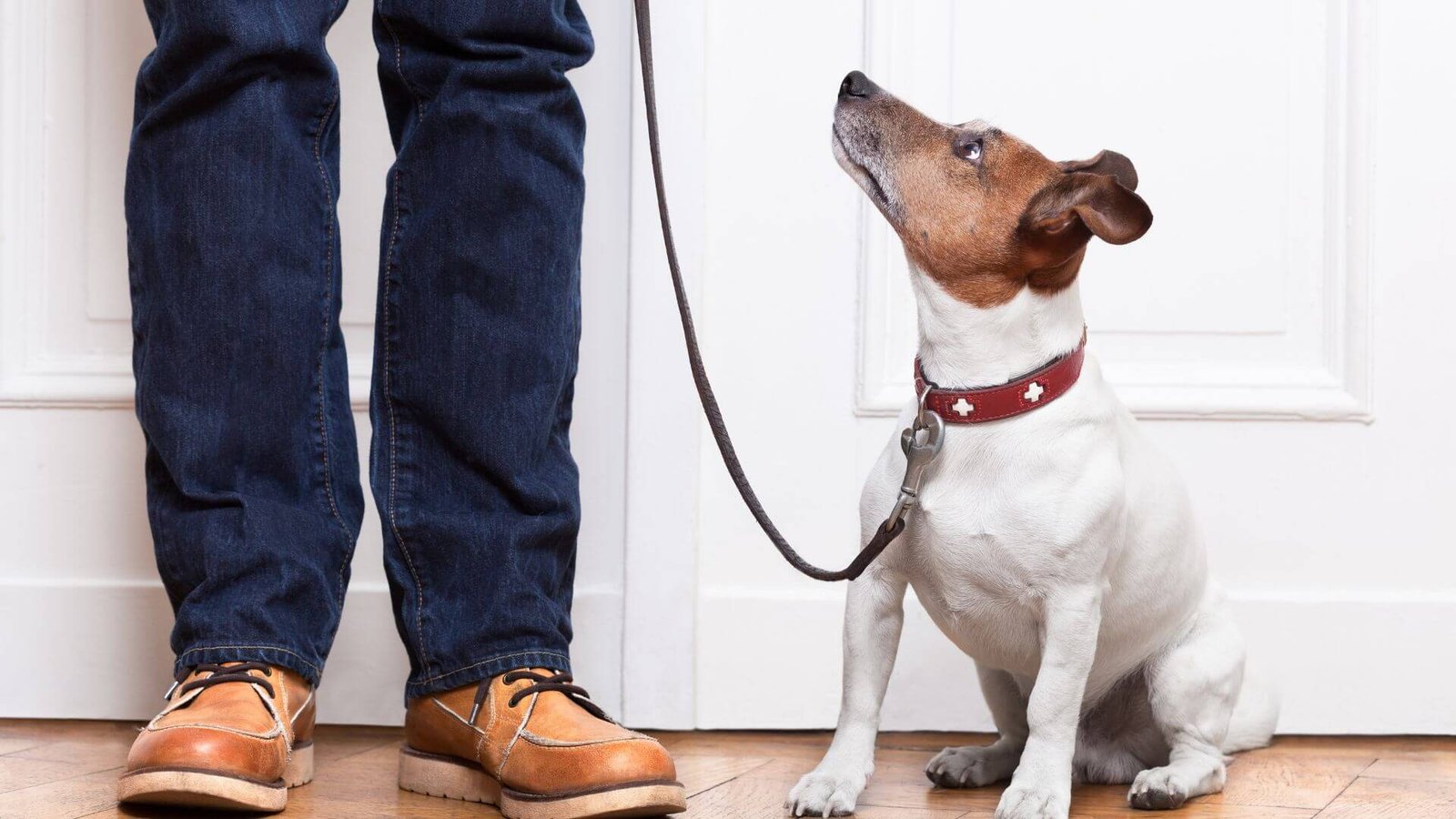
Add movement. Once attention is reliable, practice walking with no distractions. Use a well-fitted flat collar, martingale, or front-clip harness, not a pinch tool. Walk short loops in your yard or hallway. Stop and reward when the leash is slack. If the dog moves and the leash tightens, stop moving immediately and wait for slack before continuing. This is powerful because it links the dog’s forward movement with the presence or absence of progress.
Blend in a cue for slack. Choose a word or phrase like "close" or "with me" and use it consistently as you reward slack leash. The cue should be a prompt for attention and proximity, not a long lecture.
Progress to short walks with controlled distractions. Walk to the end of your block, then return. Gradually add streets with more stimuli. If your dog lunges at cyclists or other dogs, work at a distance where the dog notices the trigger but can still take treats without losing composure. That distance will vary; it might be 30 feet for one dog and 200 feet for another.
Practice under variable conditions. True reliability comes from many short, successful walks across different contexts. That means sidewalk walks, a quiet park, the beach early in the morning, and eventually busier hours. Increase difficulty only when the dog is comfortable.
Real numbers and expectations Expect measurable progress in weeks, not hours. For a previously untrained adult dog, three to five 10-minute focused training walks per week can yield visible improvement in four to six weeks. Puppies will improve faster in small bursts but need ongoing consistency; young dogs under 18 months often regress during growth spurts and hormonal changes. Dogs with deep-seated reactivity or traumatic history may need months of systematic desensitization and counterconditioning with professional help.
Practical gear choices A well-fitted flat buckle collar is fine for many dogs. For dogs that pull, a front-clip harness reduces forward momentum and gives you gentle steering control. Avoid prong collars for routine training. Head halters can work well for very strong pullers, but they require careful introduction. If you choose a head halter, acclimate the dog calmly over several days before expecting reliable behavior on walks.
Leash length matters. A 4 to 6 foot leash gives control while allowing natural movement. Long retractable leashes encourage pulling and poor recall; they also present a hazard in traffic and around other dogs.
Quick checklist for walk readiness
- Check the fit of collar or harness and attach a 4 to 6 foot leash. Bring high-value treats or a favorite toy that outshines environmental distractions. Pick a target time and plan for 10 to 20 minutes of focused walking first, then extend if behavior remains calm.
Addressing specific problems
Pulling. If your dog pulls to get somewhere faster, leverage the stop-and-wait technique. The dog learns that rushing earns no forward motion. Combine stops with the attention cue so the dog has a clear way to regain progress. For stubborn pullers, reinforce a slower cadence: reward every three to five steps at first, then extend.
Lunging and reactivity. Lunging toward other dogs or people usually has an emotional root. Use distance control first so the dog can see the trigger but remain below threshold. Pair the trigger with something positive, like tiny chicken treats, to build a new association. Over weeks you will shrink the distance between dog and trigger while maintaining calm. If your dog shows escalating aggression, seek a vetted trainer who offers behavior modification rather than group classes.
Spinning or circling. Dogs that circle around the handler are often trying to redirect arousal or locate a position of control. Teach a directional change cue. When the dog starts circling, change direction and reward the dog for following the cue. This gives structure and prevents the behavior from becoming a habitual loop.
The role of exercise and mental enrichment Leash manners improve faster when the dog’s physical needs are met. A 60-pound adult dog often benefits from 30 to 60 minutes of daily exercise, split between walks and off-leash play when safe. Mental enrichment counts too: puzzle feeders, short training sessions, and scent work tire the brain and reduce impulsive pulling. For busy owners, a 15-minute training session before a walk sets the dog up to cooperate.
When to work with a trainer If your dog is resource guarding, has a history of biting, or shows intense reactive aggression, do not attempt to manage the problem alone. A certified, insured trainer who does in-person assessments is worth the investment. Search for "Dog Training in Virginia Beach VA" or "trusted dog trainer near me" and look for trainers who use force-free methods or explain where and why they use specific tools. Ask for references and video examples of similar cases they have solved. A short phone consultation can reveal whether the trainer’s philosophy matches yours.
How trainers in Virginia Beach adapt to local context Local trainers see seasonal patterns. Summer brings crowded beaches and more dog-to-dog contact. Fall and winter introduce different wildlife and weather challenges that change how dogs react. Coastal K9 Academy, as one example, structures programs to include beach-specific desensitization and city-scenario rehearsals. They emphasize real-world practice: training on the boardwalk, near bikes, and around skateboarders. The point is not to perfect behavior in a quiet room, but to transfer calm to the real places you go.
Cost and time considerations Private training sessions in Virginia Beach typically Dog Training Virginia Beach Coastal K9 Academy range from about $75 to $150 per hour, depending on the trainer’s experience and the session format. Group https://www.google.com/maps?cid=9526413209183480516 classes are cheaper per session but may not suit dogs that need one-on-one behavior work. A typical package for basic leash manners might involve four to six weekly private sessions plus a plan for home practice. Expect to budget both money and time. A sensible return on investment is visible reduction in stress for you and the dog, measurable increases in time spent outdoors together, and fewer near-miss incidents with traffic or other dogs.
Troubleshooting plateaus Progress is rarely linear. You might see rapid gains, followed by a plateau or brief regression. Common causes include inconsistent reinforcement from family members, a change in environment, or health issues. If progress stalls, revisit the basics: is the attention cue still strong? Are treats still high value? Is the dog getting adequate exercise and sleep? If those variables are steady, a short series of booster sessions with a trainer can refresh skills and recalibrate expectations.
Real stories from local owners A recent client I worked with had a five-year-old Lab mix who pulled mercilessly toward the ocean. The owner had stopped visiting the beach altogether. We committed to ten daily five-minute attention drills at home, followed by two 15-minute leash walks near the beach where the dog could see the water from a distance. Within three weeks the owner could walk onto the beach and the dog remained calm enough to be pet by passersby. The transformation was less about a single technique and more about consistent practice, clearer communication, and the owner believing the change was possible.
Another family brought a young terrier who lunged at other dogs. The terrier made initial progress in group class but regressed in crowded parks. We moved to focused one-on-one sessions and taught the family distance management and the "watch me" cue. It took about eight weeks of systematic exposure before the terrier could pass a friendly dog at 10 feet without lunging. The family learned to avoid prematurely increasing difficulty, and the dog regained confidence gradually.
Picking the right local program When you search "dog training near me" the options can feel overwhelming. Narrow your choices by asking specific questions: Does the trainer offer a written plan for home practice? Do they provide video homework so you can see progress objectively? How do they handle tools like prong collars or head halters, and why? Can they provide references from clients in Virginia Beach with similar goals?
Look for trainers who measure outcomes, not just session count. Before-and-after videos, brief behavior assessments, and a realistic timeline are signs of professionalism. If a trainer guarantees immediate results or promises a complete fix in a single weekend for complex reactive behavior, be wary.
Preparing for the first session Before you meet a trainer, have a recent weight for your dog, a list of medical issues and medications, and a summary of the dog’s daily routine. Note the most common triggers on walks and any previous training attempts. Be ready to participate: trainers expect owners to practice between sessions. Bring a variety of treats, a leash, and the harness or collar you already use. The first session is as much a survey as a lesson: expect assessment, demonstration, and a clear homework plan.
Sustaining progress long term Leash manners are like any other learned skill: they require maintenance. A weekly casual refresher in the early months strengthens the behavior. As skills stabilize, short daily check-ins keep the bond sharp. If your lifestyle changes, for example a new job with longer hours or a move to a different neighborhood, reintroduce structured training gradually. Dogs read environmental cues, so their behavior will ebb and flow with routine changes.
Final persuasive note Walking should be a shared pleasure, not a battleground. With focused practice, the right gear, and targeted help when necessary, most owners in Virginia Beach can transform their daily walks. Whether you type "Dog Training in Virginia Beach VA" into a search bar, call Coastal K9 Academy for a consultation, or find a "trusted dog trainer near me" who fits your philosophy, start with the clear goal of making walks safer and more enjoyable. The payoff is concrete: calmer outings, fewer emergencies, and a dog that trusts you to guide them through the world.
Coastal K9 Academy
2608 Horse Pasture Rd, Virginia Beach, VA 23453
+1 (757) 831-3625
[email protected]
Website: https://www.coastalk9nc.com